Executive summary
I led a cross-functional initiative to address a systemic onboarding and configuration problem in a large-scale enterprise cloud platform. While the system was powerful, early workflows were complex, inconsistent, and difficult to complete successfully. This created friction for developers at the very first step.
By deliberately narrowing scope to the highest-leverage journeys, aligning the experience to established platform standards, and grounding decisions in rigorous research and metrics, we raised the System Usability Scale score from 73 to 82 and first-time hub creation success from 31 percent to 92 percent. The work demonstrates how disciplined prioritization and UX leadership can improve usability and task success in complex enterprise systems.
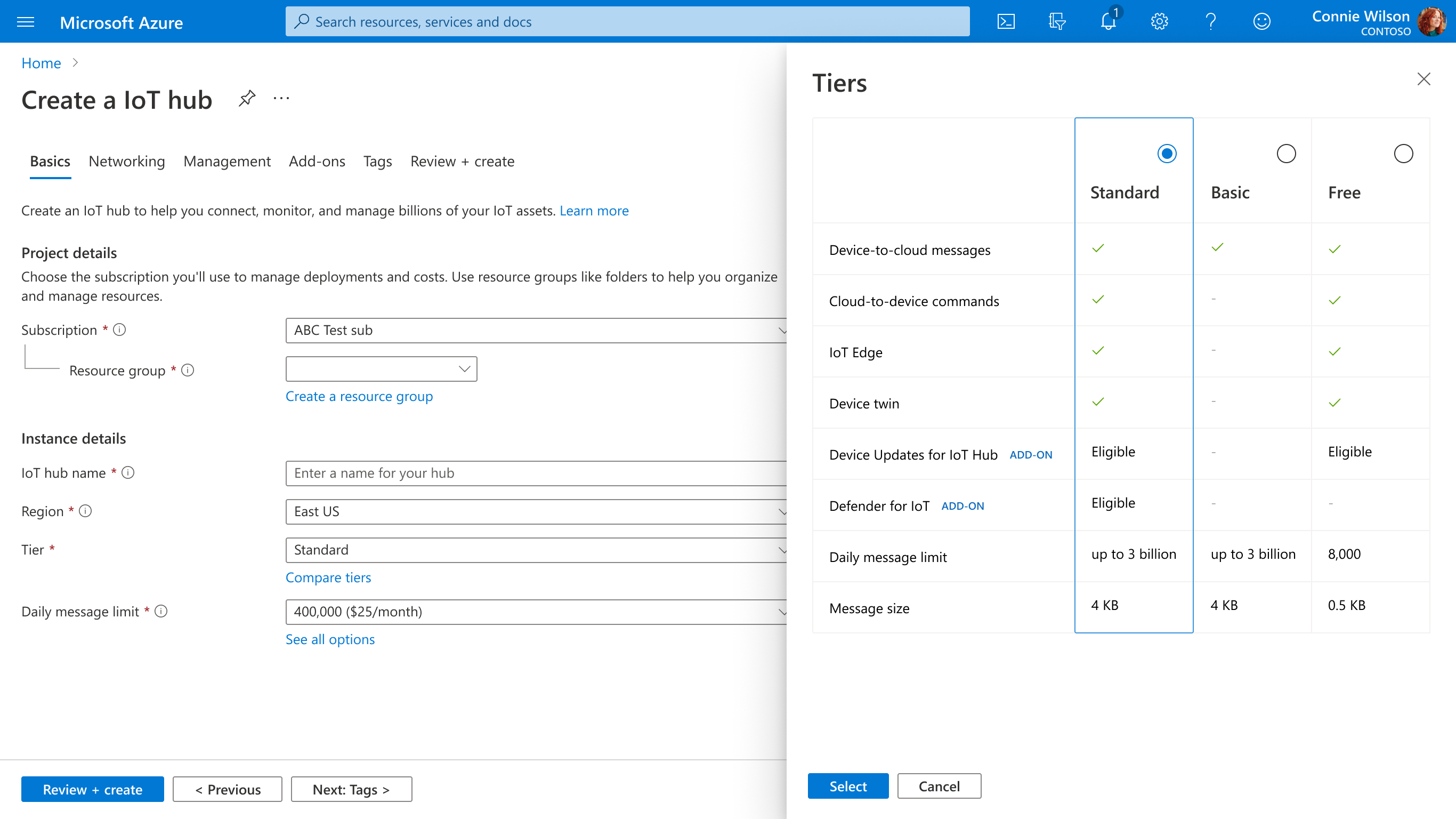
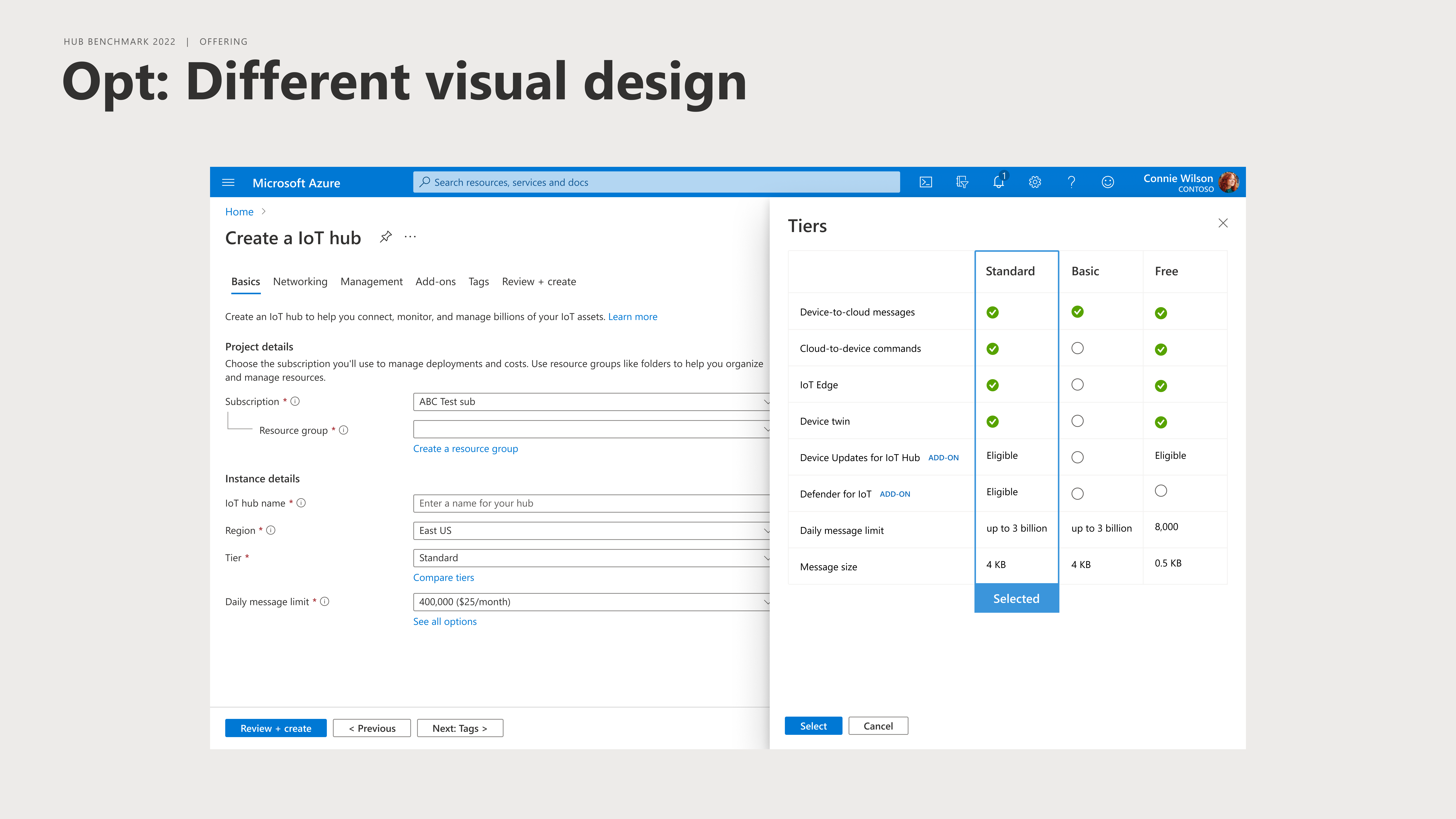 Simplified onboarding experience aligned to Azure standards
Context
The platform serves enterprise developers and architects building large-scale, production-critical systems. Over time, core workflows, particularly initial setup, first successful action, and configuration, had grown fragmented and inconsistent.
Baseline research revealed that a significant portion of users were unable to successfully complete initial setup on their first attempt. Terminology was unclear, critical actions were hidden, and workflows diverged from established platform conventions. This increased cognitive load and led to early abandonment.
 Prior experience with fragmented flows and unclear entry points
Problem
How might we streamline onboarding and configuration so that critical capabilities are discoverable, understandable, and actionable, while measurably improving adoption, efficiency, and user confidence?
Key challenges
- Low first-time success rates during setup
- Confusing mental models and terminology
- Fragmented configuration workflows
- Inconsistent alignment with platform standards
My role & scope
I owned both strategy and execution, with accountability for outcomes.
My role included:
- Setting the UX strategy and quality bar across onboarding and configuration
- Leading and coaching designers and research partners
- Driving prioritization decisions in partnership with product and engineering
- Translating research insights into shippable work within real technical constraints
I acted as the integrator, aligning user evidence, business priorities, and engineering realities into a clear, executable plan.
Strategy & decision making
We intentionally focused the redesign on the highest-leverage journeys:
- Day-0 onboarding and initial setup
- First successful user action
- Core configuration workflows
Fighting the right battles
A key strategic decision was where to invest. Deep architectural or API rewrites would have delayed impact, so we focused on improvements that could ship within existing technical boundaries.
At the same time, we were uncompromising about the user experience. Where underlying systems were complex, we ensured that complexity was intentionally abstracted away, especially in early onboarding flows, where cognitive overload had been a primary driver of failure.
This balance of pragmatic execution, paired with a firm UX quality bar, allowed us to move quickly without compromising experience integrity.
Key design moves
Simplifying entry points and mental models
- Surfaced essential decisions early in setup flows
- Reduced or deferred non-critical inputs
Making system actions explicit
- Re-architected configuration workflows into clear, sequential steps
- Clarified copy and labels to reduce ambiguity
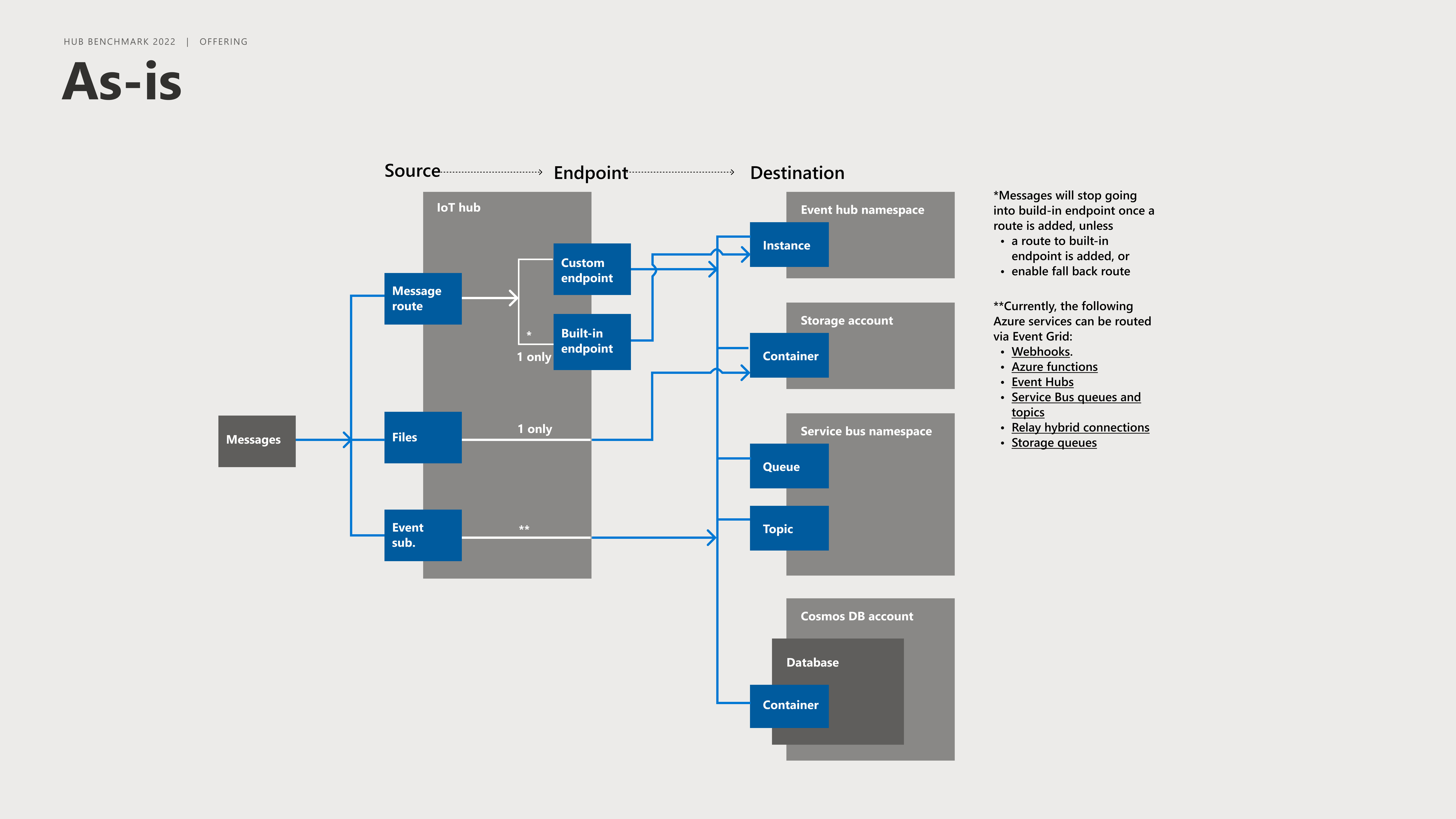 Implicit, error-prone configuration flow
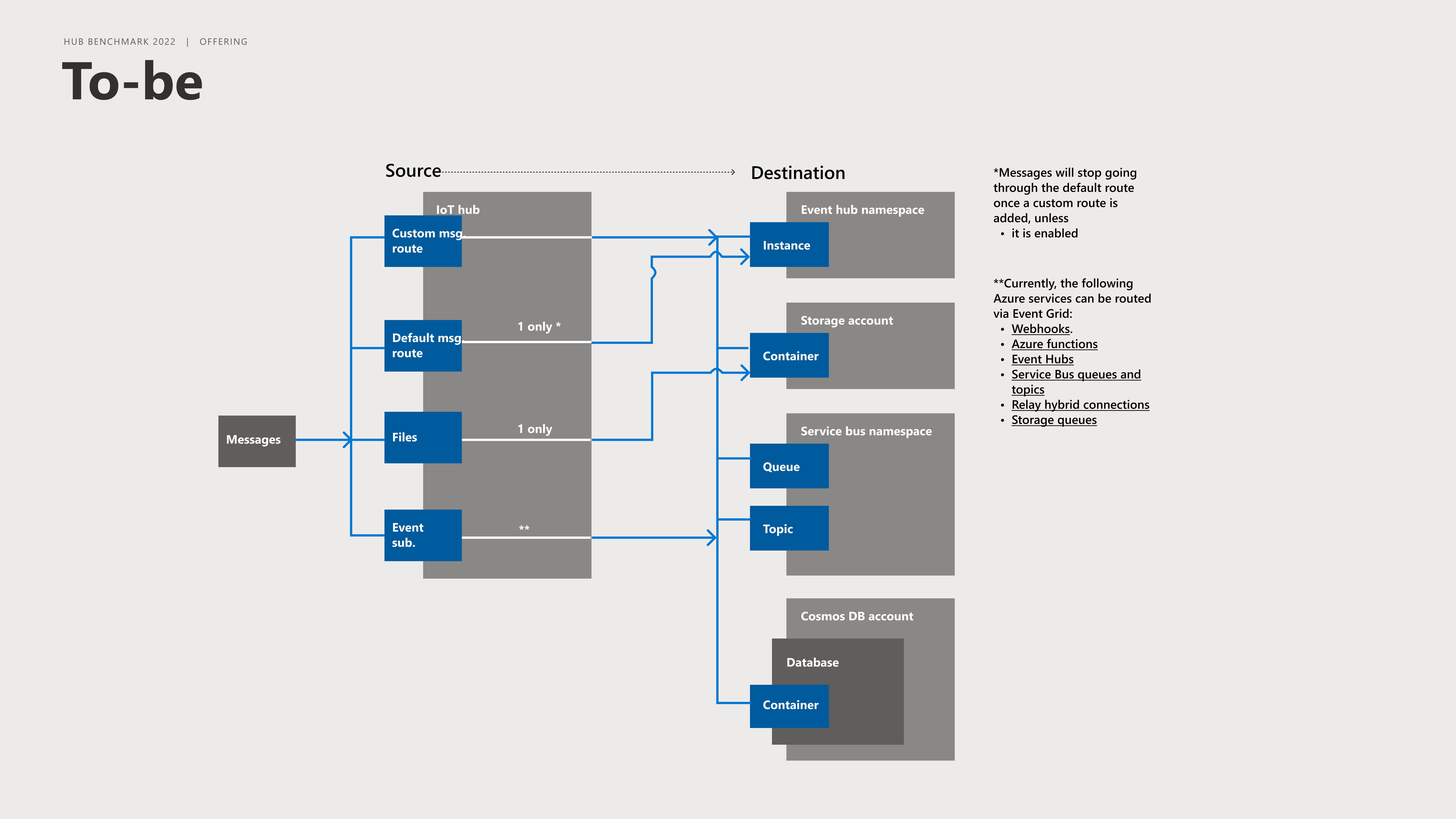
Explicit, guided configuration flow
Aligning with platform standards
- Updated interaction patterns and visuals to match established platform conventions
- Contributed improvements back to shared standards to improve consistency beyond this project
Outcomes
Usability & efficiency
- System Usability Scale score increased from 73 to 82
- First-time hub creation success increased from 31 percent to 92 percent
- Meaningful reductions in time-on-task for critical workflows
Business signals
- Fewer onboarding-related support issues
- Increased confidence from product and leadership stakeholders
- Clear evidence of UX impact on adoption and satisfaction
Lessons & principles
- Focus creates leverage: Narrowing scope enables higher quality and faster impact
- Abstraction matters: Hiding system complexity improves confidence and success
- Metrics drive alignment: Clear measures accelerate decisions and reduce debate
- Leadership is essential: Enterprise UX impact depends on strong prioritization alongside craft
What I’d do differently
Next time, I would push earlier for richer product telemetry. While benchmarks and research guided key decisions, having instrumentation in place from the outset would enable continuous, real-time insight into user behavior. This would make it easier to learn, course-correct, and scale improvements over time.
Why this project matters
This project demonstrates how senior UX leadership can transform complex enterprise workflows through prioritization, system thinking, and disciplined execution. The result is experiences that are clearer, more efficient, and more trustworthy for users.
Tags